
- CLASSIC MAGAZINES
- REVIEW CREW
A show recapping what critics thought back
when classic games first came out! - NEXT GENERATION'S BEST & WORST
From the worst 1-star reviews to the best
5-stars can offer, this is Next Generation! - NINTENDO POWER (ARCHIVE)
Experience a variety of shows looking at the
often baffling history of Nintendo Power! - MAGAZINE RETROSPECTIVE
We're looking at the absolutely true history of
some of the most iconic game magazines ever! - SUPER PLAY'S TOP 600
The longest and most ambitious Super NES
countdown on the internet! - THEY SAID WHAT?
Debunking predictions and gossip found
in classic video game magazines! - NEXT GENERATION UNCOVERED
Cyril is back in this spin-off series, featuring the
cover critic review the art of Next Generation! - HARDCORE GAMER MAGAZING (PDF ISSUES)
Download all 36 issues of Hardcore Gamer
Magazine and relive the fun in PDF form!
- REVIEW CREW
- REVIEW ARCHIVE
- ELECTRONIC GAMING MONTHLY
- ELECTRONIC GAMING MONTHLY RANKS
From Mario to Sonic to Street Fighter, EGM
ranks classic game franchises and consoles! - ELECTRONIC GAMING MONTHLY BEST & WORST
Counting down EGM’s best and worst reviews
going year by year, from 1989 – 2009! - ELECTRONIC GAMING BEST & WORST AWARDS
11-part video series chronicling the ups and
downs of EGM’s Best & Worst Awards!
- ELECTRONIC GAMING MONTHLY RANKS
- GAME HISTORY
- GAME OVER: STORY BREAKDOWNS
Long-running series breaking down game
stories and analyzing their endings! - A BRIEF HISTORY OF GAMING w/ [NAME HERE]
Real history presented in a fun and pithy
format from a variety of game historians! - THE BLACK SHEEP
A series looking back at the black sheep
entries in popular game franchises! - INSTANT EXPERT
Everything you could possibly want to know
about a wide variety of gaming topics! - FREEZE FRAME
When something familiar happens in the games
industry, we're there to take a picture! - I'VE GOT YOUR NUMBER
Learn real video game history through a series
of number-themed episodes, starting at zero! - GREAT MOMENTS IN BAD ACTING
A joyous celebration of some of gaming's
absolute worst voice acting!
- GAME OVER: STORY BREAKDOWNS
- POPULAR SERIES
- DG NEWS w/ LORNE RISELEY
Newsman Lorne Riseley hosts a regular
series looking at the hottest gaming news! - REVIEW REWIND
Cyril replays a game he reviewed 10+ years
ago to see if he got it right or wrong! - ON-RUNNING FEUDS
Defunct Games' longest-running show, with
editorials, observations and other fun oddities! - DEFUNCT GAMES QUIZ (ARCHIVE)
From online quizzes to game shows, we're
putting your video game knowledge to the test!- QUIZ: ONLINE PASS
Take a weekly quiz to see how well you know
the news and current gaming events! - QUIZ: KNOW THE GAME
One-on-one quiz show where contestants
find out if they actually know classic games! - QUIZ: THE LEADERBOARD
Can you guess the game based on the classic
review? Find out with The Leaderboard!
- QUIZ: ONLINE PASS
- DEFUNCT GAMES VS.
Cyril and the Defunct Games staff isn't afraid
to choose their favorite games and more! - CYRIL READS WORLDS OF POWER
Defunct Games recreates classic game
novelizations through the audio book format!
- DG NEWS w/ LORNE RISELEY
- COMEDY
- GAME EXPECTANCY
How long will your favorite hero live? We crunch
the numbers in this series about dying! - VIDEO GAME ADVICE
Famous game characters answer real personal
advice questions with a humorous slant! - FAKE GAMES: GUERILLA SCRAPBOOK
A long-running series about fake games and
the people who love them (covers included)! - WORST GAME EVER
A contest that attempts to create the worst
video game ever made, complete with covers! - LEVEL 1 STORIES
Literature based on the first stages of some
of your favorite classic video games! - THE COVER CRITIC
One of Defunct Games' earliest shows, Cover
Critic digs up some of the worst box art ever! - COMMERCIAL BREAK
Take a trip through some of the best and
worst video game advertisements of all time! - COMIC BOOK MODS
You've never seen comics like this before.
A curious mix of rewritten video game comics!
- GAME EXPECTANCY
- FULL ARCHIVE
Howard Lincoln: Defends the Nintendo 64 & Virtual Boy (w/ Jeremy Lamont)

Welcome to Interview Reenactment, where we recreate some of the greatest video game interviews of all time.
Today's episode reenacts a surprisingly confrontational interview between Nintendo chairman Howard Lincoln and Next Generation magazine. This interview takes place in the mid-1990s, when Nintendo's luck was beginning to run out. In a defensive position, Howard Lincoln explains their strategy to once again become the biggest player in the video game industry. Does Nintendo have a clue? Find out when you listen to this brand new episode of Interview Reenactment.
WHO IS HOWARD LINCOLN: Although he originally joined Nintendo in the early 1980s, Howard Lincoln will always be remembered as the man who led the video game giant through the 16- and 64-bit eras. He will also be thought of as a strong defender of the video games medium, pushing back at the politicians who used fear-mongering tactics to smear the interactive entertainment industry. He stepped down as Nintendo's chairman in 2000, only to continue his as the CEO of the Seattle Mariner's baseball team.
By 1997, Howard Lincoln's luck was starting to run out. After a closer-than-expected battle with Sega in the 16-bit era, Nintendo's next move was to release the Virtual Boy, a faux-virtual reality headset that used red lines to give off the impression of 3D. Unfortunately, it was too expensive and gave people headaches, leading Nintendo to eventually discontinue the system. They followed that up with the Nintendo 64, a cartridge-based console with a limited selection of games. All this led to a surprisingly confrontational interview between the game publishing giant and Next Generation magazine.
SPECIAL THANKS: We would like to thank Next Generation magazine for not only running this interview, but also asking challenging questions. This episode would not have been possible without the editors at Next Generation, as well as Howard Lincoln. I would also like to thank Jeremy LaMont, who did a wonderful job in the role of the former Nintendo chairman. It's even more impressive because he has absolutely nothing to promote.
WHO IS HOWARD LINCOLN: Although he originally joined Nintendo in the early 1980s, Howard Lincoln will always be remembered as the man who led the video game giant through the 16- and 64-bit eras. He will also be thought of as a strong defender of the video games medium, pushing back at the politicians who used fear-mongering tactics to smear the interactive entertainment industry. He stepped down as Nintendo's chairman in 2000, only to continue his as the CEO of the Seattle Mariner's baseball team.
By 1997, Howard Lincoln's luck was starting to run out. After a closer-than-expected battle with Sega in the 16-bit era, Nintendo's next move was to release the Virtual Boy, a faux-virtual reality headset that used red lines to give off the impression of 3D. Unfortunately, it was too expensive and gave people headaches, leading Nintendo to eventually discontinue the system. They followed that up with the Nintendo 64, a cartridge-based console with a limited selection of games. All this led to a surprisingly confrontational interview between the game publishing giant and Next Generation magazine.
SPECIAL THANKS: We would like to thank Next Generation magazine for not only running this interview, but also asking challenging questions. This episode would not have been possible without the editors at Next Generation, as well as Howard Lincoln. I would also like to thank Jeremy LaMont, who did a wonderful job in the role of the former Nintendo chairman. It's even more impressive because he has absolutely nothing to promote.
 |
Next Generation Interviews Tom Kalinske |
Sega | Mark McAvoy | 17:13 |
 |
Next Generation Interviews Tom Zito |
Sega | Jed Pressgrove | 17:09 |
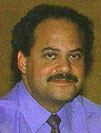 |
Next Generation Interviews Sam Tramiel |
Atari | Aaron B. | 8:10 |
 |
Next Generation Interviews Howard Lincoln |
Nintendo | Jeremy LaMont | 12:02 |
 |
Next Generation Interviews David Perry |
Shiny | Steve Jaworski | 8:54 |
 |
Next Generation Interviews Sen. Joe Lieberman |
Politics | Daniel Santos | 16:07 |
 |
Next Generation Interviews Steve Race |
Sony | Brad Gallaway | 24:49 |
 |
Next Generation Interviews Jeremy Smith |
Core | Justin Celani | 20:10 |
 |
Next Generation Interviews Eugene Jarvis |
Retro | Kevin Bailey | 15:01 |
 |
Next Generation Interviews Sam Tramiel (Part 2) |
Atari | Aaron B. | 26:58 |

Even More Articles


REVIEW - Incremental Retro Racing
May 18th, 2026


REVIEW - The Shore: Enhanced Edition
May 4th, 2026
Must-See Videos




Latest Reviews
View all


HOME |
CONTACT |
NOW HIRING |
WHAT IS DEFUNCT GAMES? |
NINTENDO SWITCH ONLINE |
RETRO-BIT PUBLISHING
Retro-Bit |
Switch Planet |
The Halcyon Show |
Same Name, Different Game |
Dragnix |
Press the Buttons
Game Zone Online | Hardcore Gamer | The Dreamcast Junkyard | Video Game Blogger
Dr Strife | Games For Lunch | Mondo Cool Cast | Boxed Pixels | Sega CD Universe | Gaming Trend
Game Zone Online | Hardcore Gamer | The Dreamcast Junkyard | Video Game Blogger
Dr Strife | Games For Lunch | Mondo Cool Cast | Boxed Pixels | Sega CD Universe | Gaming Trend
Copyright © 2001-2026 Defunct Games
All rights reserved. All trademarks are properties of their respective owners.
All rights reserved. All trademarks are properties of their respective owners.
